Vertical Series: The New Series Format of Mobile Phones

“Vertical series” refers to a new generation of scripted series format designed specifically for smartphone screens. Globally, it is also known as micro-drama, short drama, vertical drama, or by its Chinese name duanju. Its main distinction is not merely its short duration; rather, the content is produced from the outset with a 9:16 vertical screen format, fast-paced editing, cliffhangers, micro-payments, and algorithm-driven recommendations in mind. Episodes are typically around one minute long, each ending with a strong “hook” that leads viewers to the next episode. According to WIRED, these productions resemble low-budget feature films; however, they are shot vertically, divided into one-minute segments, and almost every episode ends with a cliffhanger.

The commercial origin of the format lies in China. Micro-series known as “duanju” began appearing around 2018 on short video platforms like Douyin and evolved into a full-fledged industry during the pandemic. Three key needs drove this rise: users consuming content in short breaks while holding their phones vertically, a shift toward fragmented viewing habits compared to long-form series and films, and a content model that is faster, cheaper, and more measurable than traditional television for producers.

Data shows that this format is not just a temporary social media trend. According to the 55th report by the China Internet Network Information Center, as of December 2024, there were 662 million micro-series viewers in China—equivalent to 59.7% of the country’s internet users. The same report states that there are 1.04 billion short video users and 1.105 billion mobile internet users in China, with 99.7% of internet users accessing the internet via mobile phones. This clearly explains why vertical series first scaled in China: a massive mobile user base, strong short video habits, and a mature digital payment culture.

In the global market, the most notable platforms include ReelShort, DramaBox, GoodShort, DramaWave, NetShort, FlickReels, ShortMax, FlexTV, and in some markets, Kuku TV. According to Sensor Tower’s 2025 report, global in-app revenue from short drama applications increased from $178 million in Q1 2024 to approximately $700 million in Q1 2025. During the same period, global downloads exceeded 370 million, with cumulative downloads reaching around 950 million. In Q1 2025, ReelShort and DramaBox led in revenue, earning approximately $130 million and $120 million respectively.

The business model differs from traditional subscription-based streaming. Many apps offer the first few episodes for free, then continue with tokens, weekly subscriptions, ad-based unlocking, or pay-per-episode models. ReelShort describes itself on the App Store as a service offering “exclusive vertical TV mini-series” with one-minute episodes for easy mobile viewing. Similarly, DramaBox emphasizes “bite-sized entertainment,” exclusive short videos, a frequently updated library, and the ability to watch anywhere on its Google Play page.

From an industry perspective, the most important innovation of vertical series is the acceleration of the production cycle. According to Reuters, micro-drama budgets in China range from approximately $28,000 to $280,000. Vertical shooting and social media distribution significantly reduce costs. While distribution and feedback for traditional TV series or films can take years, feedback in micro-drama production is gathered much more quickly, and new content decisions are shaped directly by viewing data.

For end users, the appeal of the format is clear: it provides quick dramatic satisfaction during commutes, lunch breaks, or before sleep. However, this also creates risks. When cliffhangers, micro-payments, and autoplay combine, users may unknowingly spend significant amounts. As a result, subscription conditions, token pricing, age restrictions for children, and data privacy are becoming more prominent discussion topics.

Technologically, vertical series are not merely “TV shows adapted for phones.” This format operates alongside mobile CDN distribution, adaptive bitrate streaming, personalized recommendation algorithms, multilingual subtitles/dubbing, rapid localization, performance analytics, and A/B testing. According to WIRED, the industry incorporates highly detailed user data—such as where viewers drop off or when they convert to paid subscriptions—into production decisions. Quibi’s “Turnstyle” technology in 2020 aimed to allow both vertical and horizontal viewing of the same scene; however, today’s vertical series wave has grown in a very different way, driven by social video habits and micro-payment economics.

Today, the vertical series market does not replace long-form streaming like Netflix but rather creates a parallel layer of content consumption. Hollywood’s growing interest is notable: Peacock licensing micro-dramas from ReelShort and planning Bravo-branded original micro-dramas shows that vertical formats are no longer a niche market limited to Asia.

In Turkey, vertical series are still in an early stage; however, they hold strong potential due to high mobile video consumption, widespread social media habits, and the strong storytelling capacity of the Turkish TV industry. With proper positioning, high-quality scripts, transparent payment models, and culturally relevant genres, vertical series could become a low-cost testing ground for producers, a storytelling-based advertising channel for brands, and a new form of entertainment offering intense emotional experiences in a short time.

Conclusion: Vertical series is a new media format that fills the gap between “short video” and “professional drama.” Born in China and rapidly expanding into the U.S. and other markets, it has built its own economy through data-driven production and mobile payment models. In the coming period, the winners in this field will not simply be those who produce the most content, but those who understand local culture, manage user experience transparently, and deliver compelling stories in a short time.

Closely monitoring the development of broadcasting, satellite, media technologies, and digital platform ecosystems in Turkey, TUYAD – Association of Telecommunications, Satellite and Electronics Industrialists and Businesspeople – places importance on topics such as vertical series, mobile broadcasting, and next-generation content consumption habits from an industry perspective. TUYAD President Hayrettin ÖZAYDIN follows these rapidly changing technological and commercial models worldwide, evaluating current developments, user behavior, and platform economics on behalf of the sector. TUYAD continues its efforts to ensure that the transformation in media and broadcasting is properly understood in Turkey, to prepare local producers for new opportunities, and to support the sustainable development of the industry.

DVB-T2: A Delayed Broadcasting Opportunity for Turkey

Television broadcasting is no longer just a service delivered via satellite, cable, or the internet; it is also a strategic infrastructure issue in terms of spectrum efficiency, disaster communication, domestic device ecosystems, and free access policies. At the center of this transformation lies DVB-T2, the second-generation terrestrial digital television technology. DVB-T2 provides a technical foundation for higher capacity, better coverage planning, and HD/UHD broadcasting compared to analog terrestrial broadcasting or the older DVB-T standard. The DVB Project reports that DVB standards are used across satellite, cable, terrestrial, and broadband networks, with more than 1.5 billion DVB receivers worldwide.

In Turkey, the legal and technical foundation of DVB-T2 is not new. In 2012, RTÜK announced that it had adopted MPEG-4 compression and DVB-T2 as the broadcasting standard for terrestrial digital television. It also emphasized the need to standardize receiver devices, set-top boxes, and testing/approval processes. The technical parameters referenced in Turkey’s National Terrestrial Digital Television Frequency Plan are critical for the sector: 32k transmission mode, 19/256 guard interval, 2/3 coding rate, 64-QAM modulation, PP4 pilot pattern, and approximately 27 Mbit/s channel capacity.

Despite this, Turkey still presents a market where the plan and standards are ready, but widespread consumer adoption remains limited rather than a completed mass DVB-T2 transition. TRT includes terrestrial analog and digital TV, satellite, cable, internet/IP TV, and digital TV among its platforms, and DVB-S, DVB-S2, DVB-T2, DVB-C, and DAB+ among its standards. TRT states its coverage reaches 99% of Turkey. However, there is no recent comprehensive official announcement demonstrating DVB-T2 as a strong, nationwide free-to-air platform including private broadcasters.

At this point, Turkey’s broadcasting market is growing more around satellite, cable, IPTV, and OTT rather than DVB-T2. According to Türksat data based on BTK’s Q3 2025 report, total cable TV subscribers reached 1,535,742, with 1,238,189 digital cable TV subscribers. The same report notes approximately 1.1 million IPTV subscribers for TTNet and 1.4 million for Superonline. Fiber indicators compiled from BTK data for the end of 2025 show total fiber subscribers reaching 9,845,226 and fiber cable length reaching 680,524 km. TÜİK data shows internet usage among ages 16–74 reaching 90.9%, supporting the shift from terrestrial broadcasting to IP-based platforms.

Globally, DVB-T2 remains a current and strategic technology. Official DVB implementation guidelines define DVB-T2 as a second-generation terrestrial broadcasting standard with significant advantages over DVB-T. Many European countries use DVB-T2 as the backbone for HD and UHD transformation. Spain approved a new national digital terrestrial TV plan in March 2025, initiating a two-phase transition to expand UHD broadcasting via DVB-T2. Finland completed its transition from SD to HD broadcasting in terrestrial and cable TV in 2025, clearly requiring DVB-T2-compatible devices. In Germany, DVB-T2 HD operates as a hybrid model with free public broadcasts and subscription-based private HD channels.

The future of DVB-T2 lies not only in antenna broadcasting but also in integration with hybrid platform technologies. DVB-I enables standardized discovery of live, linear, and on-demand TV services in the internet era. HbbTV 2.0.5 enhances interactivity with DRM, WebAssembly, and DVB-I integration. On the mobile side, 5G Broadcast and multicast-broadcast services aim to deliver live content efficiently to many users, with 3GPP Release 17 defining architectural improvements.

For end users, DVB-T2 promises free, high-quality broadcasting without reliance on internet quotas or subscriptions, and resilience during disasters. For the industry, it enables more channels, HD/UHD broadcasting, regional content, emergency alerts, and hybrid advertising models. The key question for Turkey is no longer whether DVB-T2 is necessary, but how it will be positioned alongside satellite, cable, IPTV, OTT, HbbTV, DVB-I, and 5G Broadcast.

TUYAD (Association of Telecommunications, Satellite and Electronics Industrialists and Businesspeople) is an important sector organization in Turkey. Its president, Hayrettin Özaydın, follows developments in DVB-T2, satellite broadcasting, IP-based platforms, hybrid TV, and digital transformation, working to strengthen knowledge sharing and technological awareness.

Smart Home and Automation Systems: A New Standard of Comfort or a New Security Domain?

Smart home and automation systems are no longer just a showcase feature of luxury residences; they are becoming an increasingly standardized layer of technology for energy management, security, elderly care, remote control, and everyday comfort. Technologies such as the Internet of Things (IoT), artificial intelligence, cloud computing, Wi-Fi, Bluetooth Low Energy, Zigbee, Z-Wave, Thread, KNX, and the recently prominent Matter standard form the backbone of a digital ecosystem that connects devices within the home. Platforms like Google Home, Amazon Alexa, Apple Home, Samsung SmartThings, and Home Assistant represent the user-facing side of this ecosystem.

Although the concept of smart homes dates back to the 1960s, home automation in its modern sense began to spread with the X10 protocol developed in 1975. X10 enabled remote control of devices via a home’s electrical wiring. After the 2000s, the sector accelerated with the decreasing cost of wireless networks, the widespread adoption of smartphones, and the growth of cloud services. Today, a smart home is not just about turning on a light via a phone; it is a digital living infrastructure that monitors energy consumption, analyzes security cameras, adjusts thermostats based on habits, and enables devices from different brands to work together. The purpose of the Matter standard is precisely to reduce this fragmented structure and ensure interoperability across brands through a single protocol.

The level of adoption has become remarkable. According to Eurostat data, 70.9% of individuals aged 16–74 in the European Union used internet-connected devices (IoT) in 2024. The highest rates were recorded in the Netherlands (94.8%), Ireland (90.6%), and Denmark (87.0%). Within the same dataset, internet-connected TVs were the most common IoT device at 57.9%, followed by wearable smart devices at 29.9%, smart speakers with virtual assistants at 16.0%, home energy management systems at 14.2%, smart household appliances at 12.8%, and smart security devices at 11.8%. In Türkiye, while TÜİK’s 2024 Household Information Technologies Usage Survey does not provide a direct smart home adoption rate, it presents a strong infrastructure indicator: 96.4% of households—and 99.2% in Istanbul—have internet access at home.

The popularity of these systems is driven not by mere technological curiosity, but by real needs. The first is security: smart cameras, doorbells, motion sensors, smoke/gas/water leak detectors, and smart locks provide users with a sense of control even when they are away. The second is energy efficiency: smart thermostats, plugs, and lighting systems can reduce consumption in unoccupied rooms. According to ENERGY STAR, certified smart thermostats can provide approximately 8% savings on heating and cooling bills, or around $50 annually. The third need is comfort and accessibility: for elderly individuals, people with disabilities, families with children, or frequent travelers, centralized control of lighting, curtains, climate systems, doors, and security systems significantly simplifies daily life.

The next phase of the sector is AI-powered automation. While older systems operated on fixed rules such as “turn on the lights at 7:00 PM,” modern systems can analyze whether the user is at home, temperature preferences, movement patterns, camera events, and voice command history to make more contextual decisions. Google clearly states that data such as motion, ambient light, temperature, humidity, and occupancy collected by Nest devices can be used to improve usefulness, performance, and reliability. Amazon defines Alexa as a “cloud-based voice service,” meaning that in many voice assistant scenarios, processing occurs not only on the device but also in the cloud.

At this point, a critical question arises: where is in-home data stored, and are daily habits being recorded? The answer varies depending on the brand and settings. Some processes can be handled locally on the device; for example, Matter-enabled devices allow lower-latency control over local networks. However, voice assistants, camera recordings, cloud backups, mobile app histories, automation scenarios, and subscription-based security services are often stored in manufacturers’ data centers. Google states that Assistant interaction data is stored on its servers (data centers), while some Nest devices can process certain data locally. Users can view and delete their past interactions. Therefore, smart home systems can generate sensitive behavioral data such as sleep patterns, presence at home, room usage, energy consumption, entry and exit times, and voice command habits.

As benefits grow, so do risks. The most common vulnerabilities include weak or default passwords, outdated device software, insufficient encryption in low-cost hardware, insecure mobile applications, third-party integrations, and lateral movement risks between devices connected to the same home network. According to a 2024 study by the U.S. Federal Trade Commission, approximately 89% of the 184 smart products examined did not clearly state how long software updates would be provided. This creates serious uncertainty for users, as devices such as cameras, locks, or plugs that no longer receive updates can become security risks over time. NIST’s NIST IR 8425 document also emphasizes that fundamental cybersecurity capabilities must be applied across the entire product lifecycle in consumer IoT devices.

Regulations have also begun to address these risks. In the United Kingdom, the Product Security and Telecommunications Infrastructure regime came into force on April 29, 2024, requiring manufacturers, importers, and distributors of consumer connected products to comply with minimum security obligations. The European Union’s Cyber Resilience Act mandates secure design, updates, and vulnerability management for products with digital elements, with major obligations planned to take effect from December 11, 2027. These developments show that the smart home sector is no longer just an electronics or decoration market, but also a cybersecurity and data governance domain.

In conclusion, when properly implemented, smart home systems are powerful technologies that simplify life, optimize energy consumption, enhance security, and provide real-time control. However, the term “smart” does not inherently mean “secure.” For end users, the best approach is to choose brands that clearly state update support, change default passwords, use two-factor authentication, regularly review camera and microphone permissions, place IoT devices on a separate guest network if possible, and disable unnecessary cloud recordings. For the industry, success will not come merely from selling more devices, but from transparent data policies, long-term software support, adherence to open standards, and a culture of secure deployment. The true value of smart homes will emerge when technology becomes invisible, but security remains visible.

In Türkiye, TUYAD — the Telecommunications Satellite and Electronic Industrialists and Business People Association — stands out as an important professional organization for monitoring sectoral developments in this field. TUYAD aims to bring together companies operating in satellite communications, broadcasting, electronic communication systems, and information technologies under one roof, fostering collaboration among stakeholders, supporting technological advancement, and contributing to a sustainable market structure. Under the leadership of Chairman Hayrettin Özaydın, innovations in smart home technologies, electronic communications, digital living, security systems, and automation are closely followed, and efforts continue to support the sector’s development by monitoring current needs, standards, and transformation trends.

We wish to sign successful projects together in the new year, filled with health, peace, and success, and hope that 2026 will bring prosperity to our country and our sector.

TUYAD Continues Preparations for the 2026 Issues of Digital Life Magazine

TUYAD continues its preparations for the 2026 issues of Digital Life Magazine, which covers the latest developments in satellite, telecommunications, and space technologies. Prepared under the leadership of TUYAD President Hayrettin Özaydın, the magazine continues to meet its readers with content that shapes the industry.

Digital Life Magazine comprehensively addresses innovations in the satellite sector, telecommunications, and related technologies through expert articles, analyses, visual materials, and media content. Planned to publish a total of six issues throughout 2026, the magazine aims to serve as an important information and communication platform for industry stakeholders.

TUYAD continues to accept articles, expert opinions, sectoral analyses, advertisements, promotional materials, and corporate content for publication in its 2026 issues. Detailed information about the magazine can be found at www.digitalyasam.org.

Meanwhile, those who wish to review the Digital Life Magazine 2025 Year-End Special Issue can visit the link below:

https://digitalyasam.org/wp-content/uploads/2025/12/Rv-of-Dijital-Yasam-2025-.pdf

The Digital Life Magazine 2025 Year-End Special Issue, prepared under the leadership of TUYAD President Hayrettin Özaydın, has been published. The magazine presents its readers with comprehensive content covering the latest developments in satellite, telecommunications, and related technologies.
www.digitalyasam.com

Widely followed on an international scale by both commercial and technical organizations as well as educational institutions, Digital Life Magazine is among Türkiye’s leading sources of information in its field, featuring news, events, publications, research, and sectoral analyses related to the satellite and telecommunications industry.

By enabling experts operating in the fields of electronic industry and technology to share their technical knowledge and experience on a non-profit basis, the magazine continues to contribute to the dissemination of sectoral know-how.

click here to review the Digital Life Magazine 2025 Year-End Special Issue.

Dear Partners,
We are pleased to announce that TUYAD is preparing the 2025 Year-End Special Edition of Digital Yaşam Magazine, featuring key developments in the satellite industry, telecommunications, and space technologies.

We invite you to contribute to this special edition with:
* Articles and expert insights
* Sector-related visuals and media
* Advertisements and promotional content

️ Submission deadline: Friday, 28 November 2025

you may also submit articles, visuals, and advertisements for the year 2026

For further information or submissions, please contact:
international@tuyad.org
Or reach out via direct message.

https://digitalyasam.org/

Looking forward to your valuable contributions.
Hengameh
hashtag#satellite hashtag#operations hashtag#orbital hashtag#space hashtag#telecommunications
hashtag#broadcast hashtag#vsat hashtag#satcom hashtag#paytv hashtag#connected

TUYAD Chairman Hayrettin Özaydın, together with our advisory board and committee chairpersons, has developed the 2026 TUYAD Activity Plan. Together with our Board of Directors and corporate members, we proudly present our new plan, which includes working strategies and cooperation vision, innovations in satellite communication technologies, public-private sector strategies, development and awareness strategies in the electronics industry, broadcasting, Pay TV platforms and content distribution strategies, as well as our TKGS-approved brands.

Click here to review.

TUYAD Association President Hayrettin Özaydın announced that the “5G and Industry Transformation Committee” has been established. https://www.tuyad.org/calisma-komisyonlari/
Our Committee President is Aydın Zaim, Sales and Marketing Director of Ulak Communication.
We invite our corporate and individual members who wish to join the committee to participate.
You can contact us at bilgi@tuyad.org.
Respectfully.

The TUYAD IT Commission has been established with the approval of the Board of Directors. Mr. Ahmet Özturgut has been appointed as the Chairman of the TUYAD IT Commission, also with board approval. https://www.tuyad.org/calisma-komisyonlari/

The commission carries out activities to support the digital transformation process in our sector and to foster a strong environment of cooperation among stakeholders. By developing joint projects with universities, technology companies, and public institutions, it aims to produce innovative solutions, contribute to our members through training and information programs, and raise awareness in the sector regarding regulations related to information technologies.

Our goal is to develop sustainable digital solutions, achieve shared success in the industry, and increase competitiveness.

The IT Commission has been established within our association to develop strategies, produce projects, and coordinate implementations in the fields of information technologies, digital transformation, and information security.
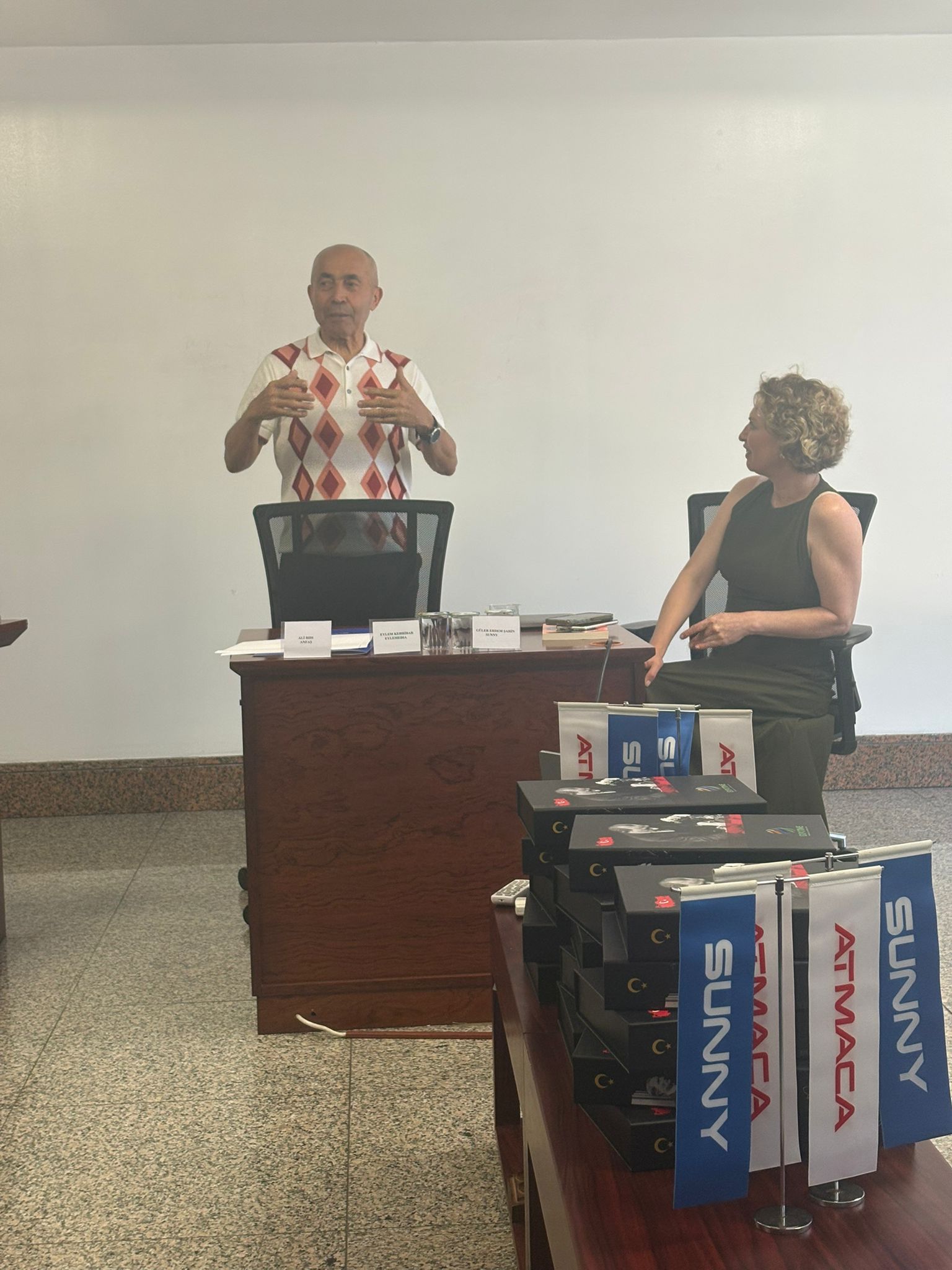
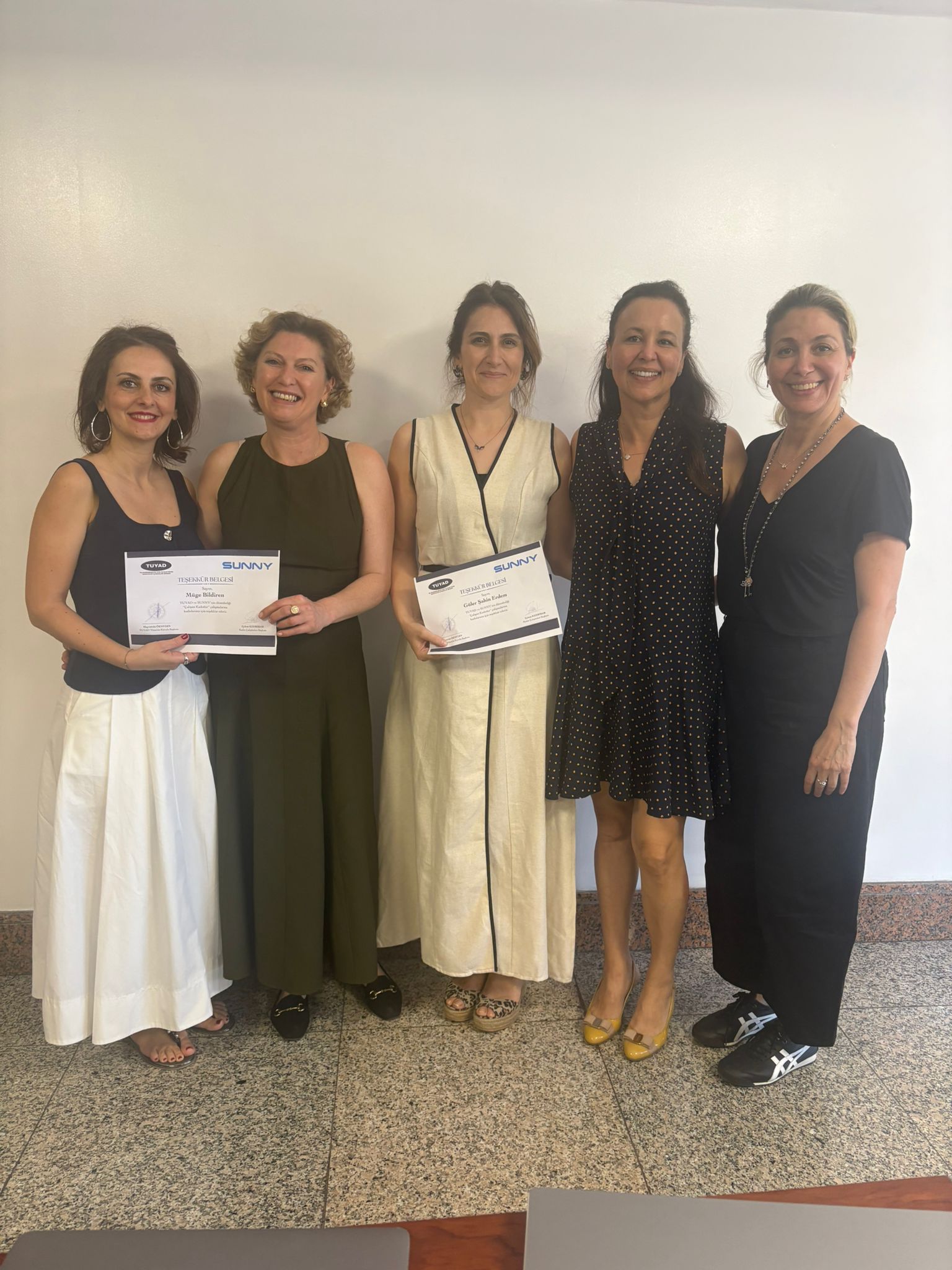
Duties and Responsibilities:

  • Determine the IT vision and digitalization strategy of our sector, create a roadmap, and set implementation principles by consensus.
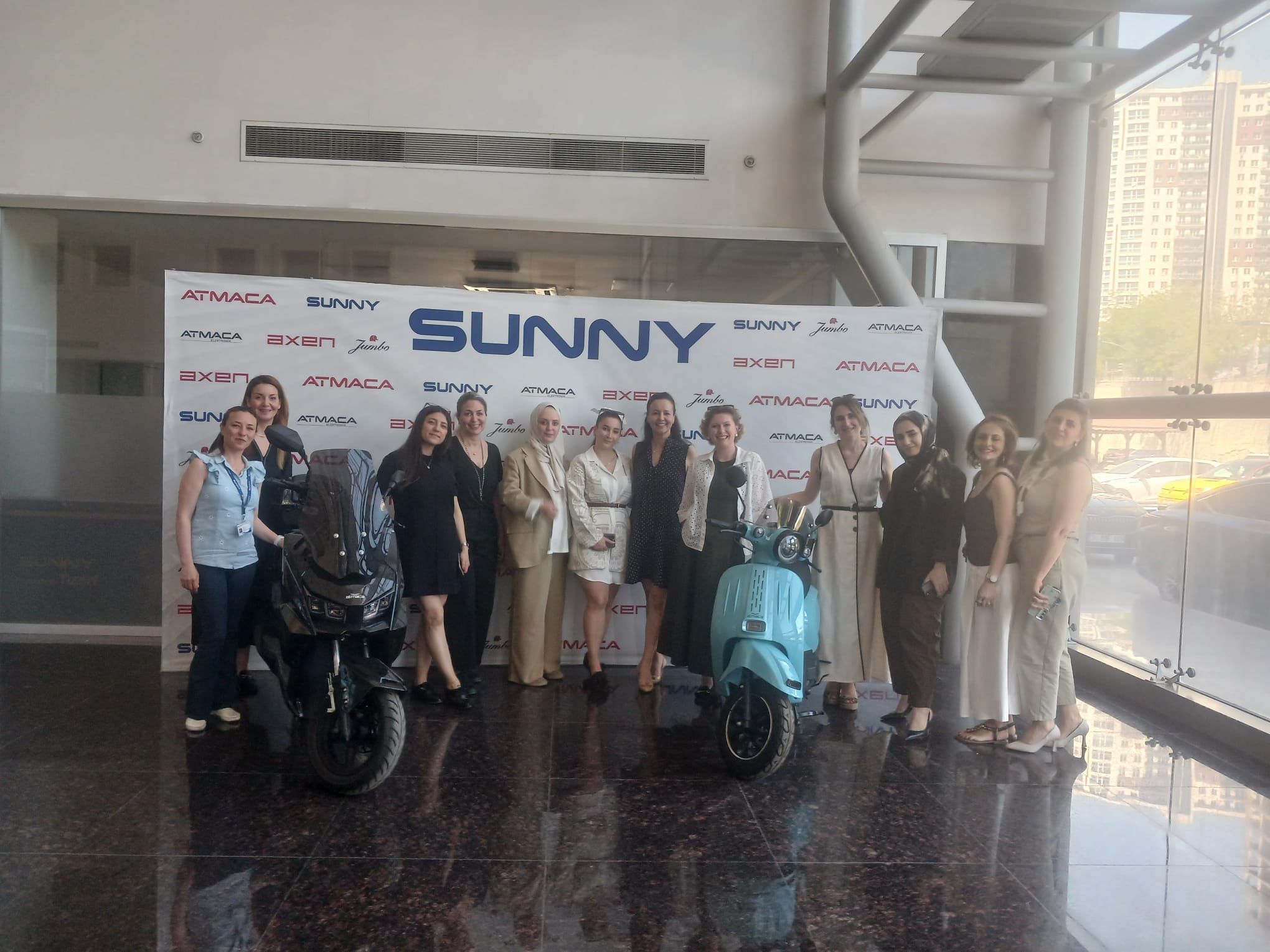
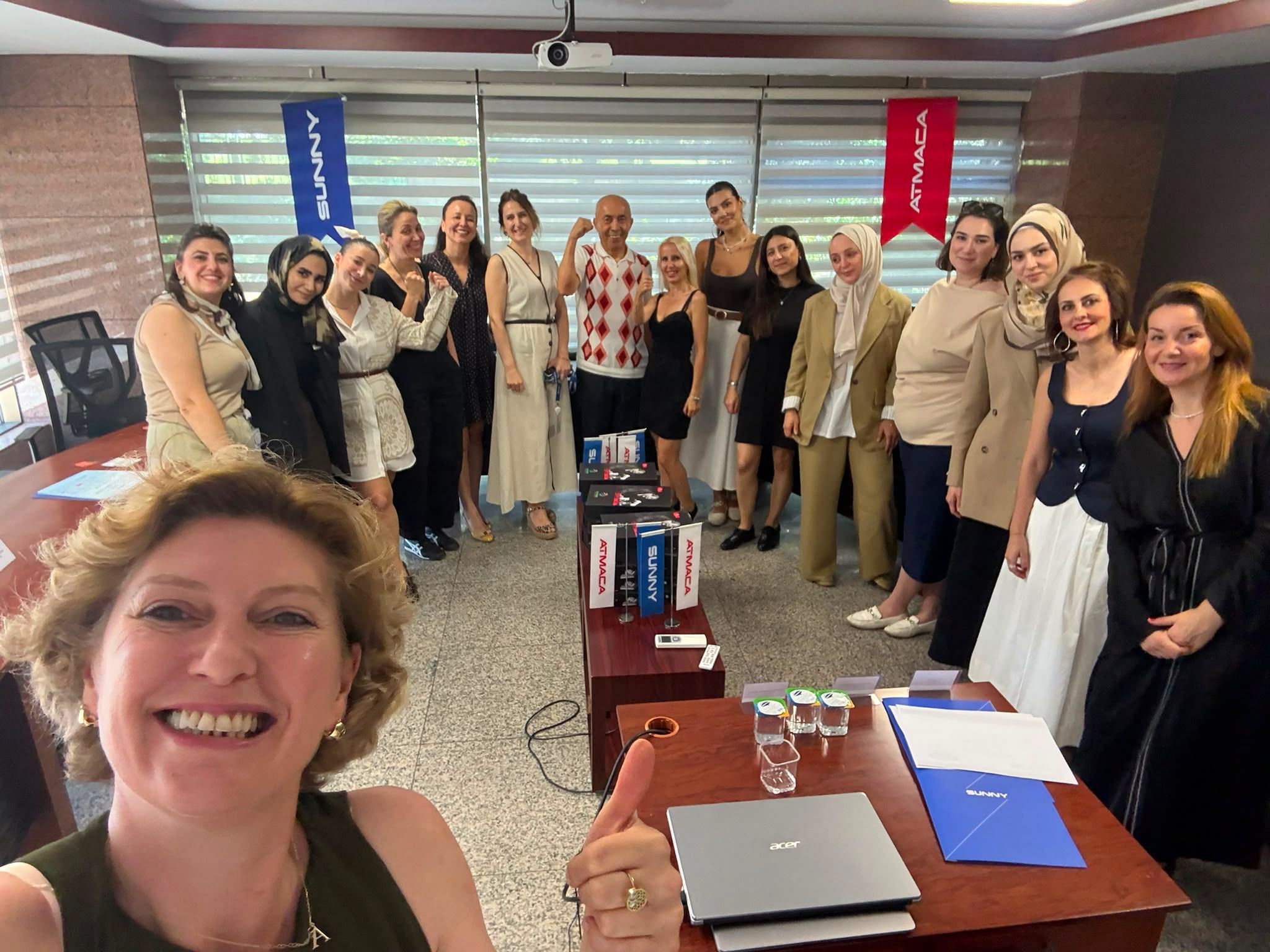
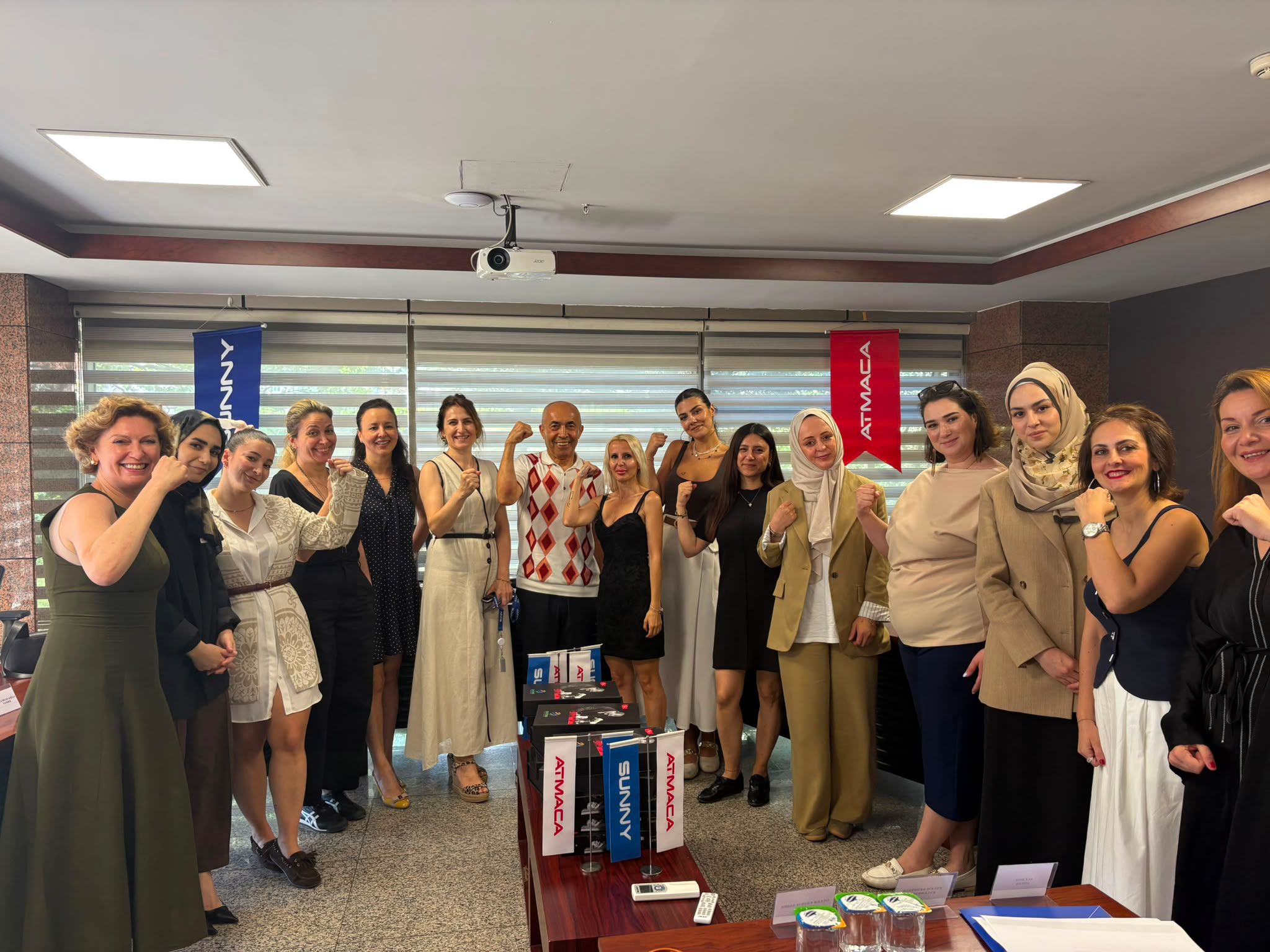
  • Organize IT, digital literacy, and technology-focused training programs for our corporate members.
  • Ensure the integration of new technologies (artificial intelligence, cloud computing, big data, Internet of Things, etc.) into our corporate members’ operations.
  • Participate in IT and technology-related seminars, fairs, and conferences for the development of the sector and present reports.
  • Plan and execute digital transformation projects, and evaluate the results of implemented projects.

Working Procedure:
The commission convenes at least six times a year, prior to Board of Directors meetings. The decisions taken are reported to the Board. Sub-working groups may be formed when necessary.

We congratulate Mr. Ahmet Özturgut and wish him continued success in his new role.
Respectfully,
TUYAD